UNDERSTANDING YOUR KIDNEYS: WHAT IS CHRONIC KIDNEY DISEASE (CKD)?
In Malaysia, based on findings from the National Health and Morbidity Survey, the prevalence of CKD increased from 9.07% in 2011 to 15.48% in 2018. The survey has shown that CKD has become a significant public health concern in Malaysia.
To fully understand why CKD matters, it is important to first knowing the role of kidneys.
The Role of the Kidneys
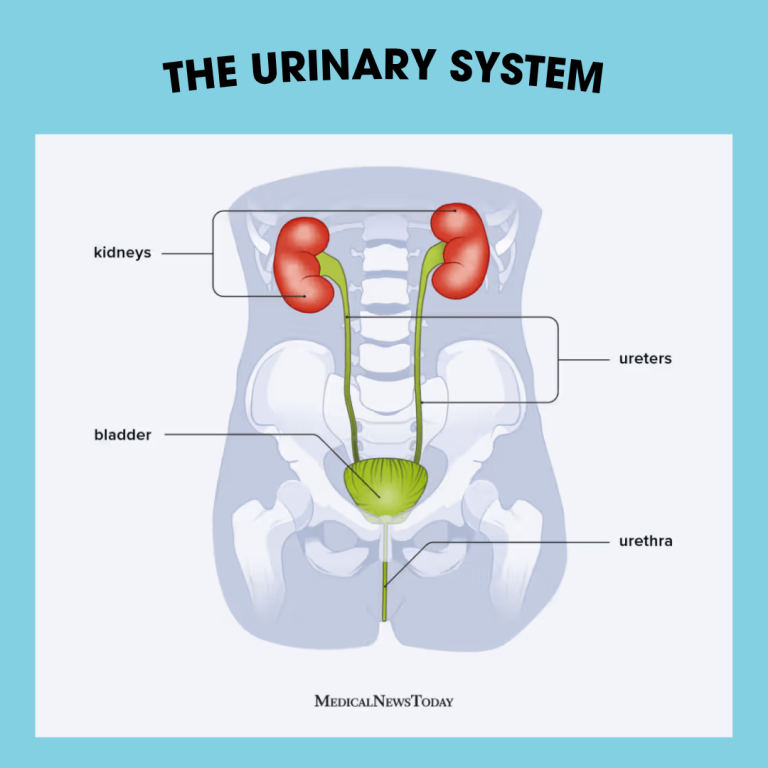
The kidneys are two bean-shaped organs, each about the size of a fist. They are located just below the rib cage, one on each side of your spine.
The kidneys play an essential role in maintaining the internal balance of the body. They filter the blood to remove waste products and excess substances from the body through urine. In healthy adults, the kidneys receive and filter approximately 1 litre of blood per minute.
When kidney function declines, these essential functions can become impaired, affecting multiple systems throughout the body. This condition can lead to kidney disease includes acute kidney injury (AKI) and chronic kidney disease (CKD).
Chronic Kidney Disease (CKD)
Chronic kidney disease (CKD) is a condition in which the kidneys become damaged and gradually lose their ability to effectively filter waste and excess fluid from the blood. As a result, these substances can accumulate in the body and contribute to various health complications, including cardiovascular disease.
Figure 1.3 shows that CKD can be caused by various factors.
References:
- https://www.kidney.org/kidney-topics/chronic-kidney-disease-ckd
- https://www.niddk.nih.gov/health-information/kidney-disease/kidneys-how-they-work
- Saminathan, T.A., Hooi, L.S., Mohd Yusoff, M. et al. Prevalence of chronic kidney disease and its associated factors in Malaysia; findings from a nationwide population-based cross-sectional study. BMC Nephrol 21, 344 (2020). https://doi.org/10.1186/s12882-020-01966-8