Living with chronic kidney disease (CKD) means learning how to monitor kidney health and understand what the test results tell you. Regular monitoring can help to identify changes in kidney function and progression.
Two important tests used to monitor kidney health are the estimated glomerular filtration rate (eGFR) and the urine albumin-to-creatinine ratio (uACR). These tests provide complementary information about how well your kidneys are functioning and whether there are signs and progression of kidney damage. Monitoring both results over time helps to evaluate whether adjustments to your treatment plan may be needed.
| Albuminuria Categories | ||||||
|---|---|---|---|---|---|---|
| A1 | A2 | A3 | ||||
| Normal to mildly increased |
Moderately increased |
Severely increased |
||||
| <3 mg/mmol | 3-29 mg/mmol | ≥30 mg/mmol | ||||
|
eGFR Categories (ml/min/1.73m²) |
G1 | Normal | ≥90 | Low risk |
Moderately increased risk |
High risk |
| G2 | Mildly decreased | 60-89 | Low risk |
Moderately increased risk |
High risk | |
| G3a | Mildly to moderately decreased |
45-59 |
Moderately increased risk |
High risk | Very high risk | |
| G3b | Moderately to severely decreased |
30-44 | High risk | Very high risk | Very high risk | |
| G4 | Severely decreased | 15-29 | Very high risk | Highest risk | Highest risk | |
| G5 | Kidney failure | <15 | Highest risk | Highest risk | Highest risk | |
High blood pressure and CKD are closely connected, with each condition potentially contributing to the development and progression of the other.
Persistence high blood pressure can damage the small blood vessels in kidneys while damaged kidney may become less effective at removing excess salt and water from the body, causing extra water buildup in the body and an increase in blood pressure.
| BLOOD PRESSURE CATEGORY | SYSTOLIC (mm/Hg) 'Top/upper number' | AND/OR | DIASTOLIC (mm/Hg) 'Bottom/lower number' |
|---|---|---|---|
| Normal | Less than 120 | and | Less than 80 |
| Elevated | 120-129 | and | Less than 80 |
| Stage 1 Hypertension | 130-139 | or | 80-89 |
| Stage 2 Hypertension | 140 or higher | or | 90 or higher |
| Severe Hypertension* | Higher than 180 | and/or | Higher than 120 |
| Hypertensive Emergency** | Higher than 180 | and/or | Higher than 120 |
| Symptoms: chest pain, shortness of breath, back pain, numbness, weakness, change in vision or difficulty speaking | |||
*If you don’t have symptoms*, call your healthcare professional.
**If you have any of these symptoms*, call emergency line.
Keeping blood glucose level within the target range is recommended especially for diabetic patient to protect kidneys. Persistently high blood glucose can damage the small blood vessels in the kidneys over time.
It is recommended to control blood sugar level with diet, exercise and medication (if needed) and doing self-monitoring blood sugar at home regularly
| HbA1c | NORMAL | PREDIABETES | T2DM |
|---|---|---|---|
| <5.7% | 5.7 - <6.3% | ≥6.3% | |
| (<39mmol/mol) | (39-44 mmol/mol) | (≥45mmol/mol) |
| FASTING BLOOD GLUCOSE | 2-HOUR AFTER FOOD | |
|---|---|---|
| Normal | 4.0 – 6.0 mmol/L | <7.8 mmol/L |
| Pre-diabetes | 6.1 - 6.9 mmol/L | 7.8 – 11.1 mmol/L |
| Diabetes | ≥7.0 mmol/L | ≥ 11.1 mmol/L |
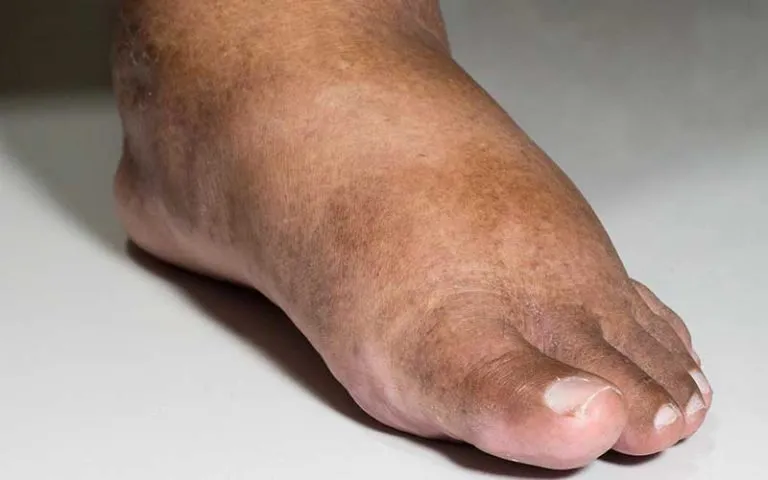
Changes in body weight over a short period may sometimes indicate a build-up of excess water in the body, particularly if accompanied by swelling around the ankles, feet, hands, or eyes. Regular weighing is recommended, especially if you have advanced CKD or are prone to fluid overload. Use the same scale at a consistent time of day and record your readings.